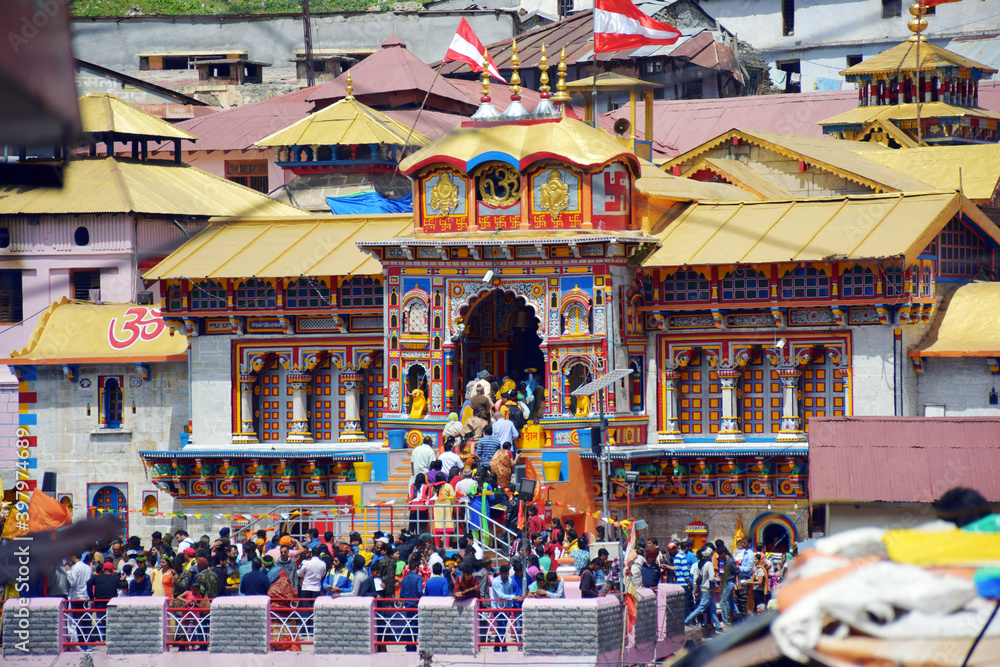
The Char Dham Yatra is more than just a pilgrimage; it’s a spiritual journey that takes you through the divine landscapes of Uttarakhand, often referred to as Devbhoomi—the Land of Gods. The four sacred shrines—Yamunotri, Gangotri, Kedarnath, and Badrinath—represent the essence of Hindu devotion, faith, and enlightenment. In 2026, the Yatra is expected to attract millions of devotees from across India and the world, all seeking blessings, peace, and salvation.
What is the Char Dham Yatra?
The Char Dham Yatra refers to the sacred circuit of four Hindu pilgrimage sites located in the high-altitude Himalayan region of Uttarakhand, India. These four shrines—Yamunotri, Gangotri, Kedarnath, and Badrinath—represent the spiritual sources of India’s most revered rivers: the Yamuna, Ganga, Mandakini, and Alaknanda respectively. Each site holds profound mythological and religious significance.
According to Hindu belief, embarking on this yatra washes away sins and paves the way to moksha (liberation). The term “Char Dham” literally translates to “four abodes of God.” The original Char Dham, as described by Adi Shankaracharya, includes Badrinath, Dwarka, Puri, and Rameswaram spread across India. However, in the context of the Himalayas, Chhota Char Dham refers to the sacred circuit within Uttarakhand.
Each of the four temples has its own charm and story.
- Yamunotri, dedicated to Goddess Yamuna, sits gracefully at an altitude of 3,293 meters. Pilgrims begin their journey here, symbolizing purity and vitality.
- Gangotri, devoted to Goddess Ganga, marks the source of the River Ganga, symbolizing salvation.
- Kedarnath, one of the twelve Jyotirlingas of Lord Shiva, is located amidst snow-covered peaks, offering an experience of divine tranquility.
- Badrinath, dedicated to Lord Vishnu, marks the culmination of the yatra, representing ultimate spiritual enlightenment.
The Char Dham Yatra is typically undertaken from west to east—starting at Yamunotri, then moving to Gangotri, Kedarnath, and finally ending at Badrinath. The journey is not just about reaching the temples but about the spiritual transformation that happens along the way. The natural beauty of the Himalayas, the chants of pilgrims, and the feeling of devotion make it one of the most divine experiences one can ever have.
Char Dham Yatra 2026 Opening and Closing Dates
The Char Dham Yatra usually begins in late April or early May and continues until October or early November, depending on weather conditions. Each temple opens on an auspicious date decided by priests based on the Hindu calendar, typically on Akshay Tritiya.
For the year 2026, the tentative schedule may look like this:
- Yamunotri Temple – Opens around May 10, 2026, closes around October 30, 2026
- Gangotri Temple – Opens around May 10, 2026, closes around November 1, 2026
- Kedarnath Temple – Opens around May 14, 2026, closes around November 2, 2026
- Badrinath Temple – Opens around May 15, 2026, closes around November 10, 2026
These dates may shift slightly depending on the weather and lunar calendar. Most devotees prefer visiting between May and June or September and October, when the weather is pleasant and the roads are safer. The monsoon season (July–August) is often avoided due to landslides and slippery routes.
If you’re planning the Yatra in 2026, booking transportation and accommodation early is crucial, as the demand surges rapidly once the temples open. The earlier you plan, the more you can save on both travel and lodging expenses.
Char Dham Yatra Route Map and Travel Path
Understanding the route is key to managing your time and budget efficiently. The traditional Char Dham Yatra begins from Haridwar or Rishikesh, both of which serve as the gateway to the Himalayas. Pilgrims usually follow this route:
- Haridwar → Barkot → Yamunotri (Temple Visit)
- Barkot → Uttarkashi → Gangotri (Temple Visit)
- Uttarkashi → Guptkashi → Gaurikund → Kedarnath (Temple Visit)
- Guptkashi → Joshimath → Badrinath (Temple Visit)
- Return from Badrinath → Rishikesh → Haridwar
The total journey covers around 1,600 km round trip and usually takes 10–15 days, depending on the mode of travel and duration spent at each temple.
- By Road: Buses and private taxis are available from Haridwar, Rishikesh, and Dehradun.
- By Train: The nearest railheads are Haridwar and Dehradun, well-connected to major cities like Delhi, Mumbai, and Kolkata.
- By Air: The nearest airport is Jolly Grant Airport, Dehradun, from where cabs and shared jeeps are available to start the journey.
For those seeking comfort and shorter travel time, helicopter services are available from Dehradun and Guptkashi, making it possible to complete the entire Yatra in 2–3 days.
The road routes are scenic yet challenging, with winding mountain roads, river valleys, and forests that offer breathtaking views. Travelers must ensure their vehicles are in good condition and carry essentials like medicines, warm clothes, and food items.